
Selling a home in Charleston
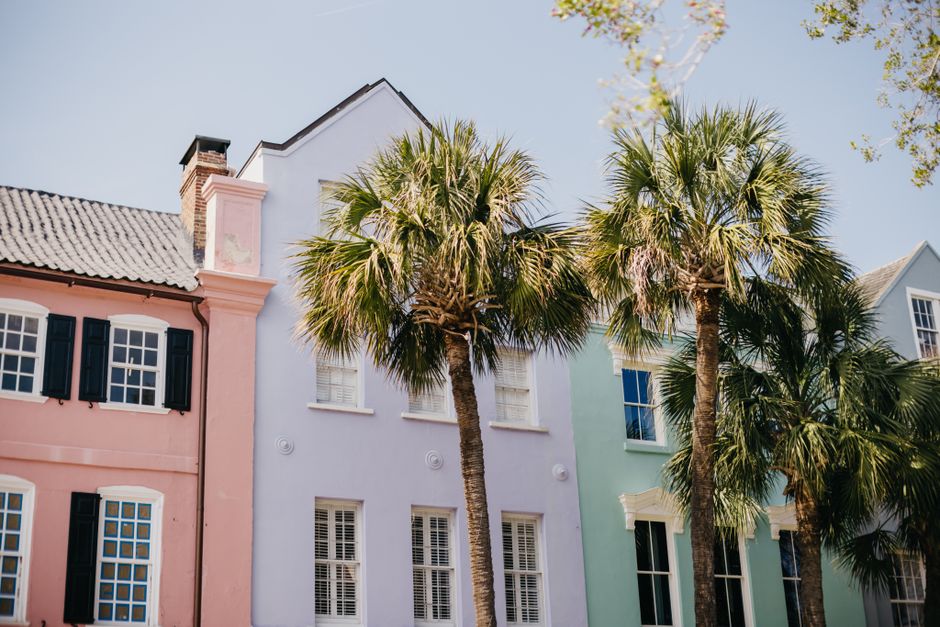
Charleston is the historic port city at the center of the region, from the peninsula's centuries-old streets to the named neighborhoods that ring it. It suits buyers drawn to historic architecture, walkability and the city's food and tourism economy, alongside investors eyeing the rental market it supports.
Search homes for sale in Charleston
See every home for sale in Charleston right now, on a map.
Charleston, on video
Brian films these himself.
Why Is Charleston Real Estate So Hard To Afford?
Selling in Charleston
Pick the one that describes you. Each is written for Charleston specifically.
Divorce home sale
How does selling a house during a divorce work in South Carolina?
Inherited property
How do you sell a home you inherited in South Carolina?
Senior downsizing
What should a downsizer in Charleston know before listing?
First-time buyers
What does a first-time buyer in Charleston need to budget for?
Relocating
How do you buy in Charleston while selling somewhere else?
Investment property
What does an investment property in Charleston actually return?
Multi-family
How do you value a multi-family home in Charleston?
New construction
Should you buy new construction or resale in Charleston?
Condo
What should you check before buying a condo in Charleston?
Acreage and rural
What changes when you buy an acreage near Charleston?
Move-up sellers
How do you sell and buy at the same time in Charleston?
Fixer-upper
Is a fixer-upper in Charleston worth it?
Tired landlords
How do you sell a rental with tenants in South Carolina?
Cash buyers
Do cash offers actually win in Charleston?
What Charleston homes are doing
The Charleston Trident Association of REALTORS® publishes its figures for Charleston as a whole rather than street by street, so the honest answer for Charleston comes from the sold comparables nearest the home plus what a walk-through of the specific home changes. Brian prices from sold comparables on the block, not from a neighborhood average.
What is Charleston actually like to sell in?
The peninsula's oldest blocks sit on narrow, historic lots laid out long before the automobile, many inside a locally protected historic district where exterior changes go through architectural review. Away from the peninsula, lot sizes and street patterns open up block by block, from rowhouses and single-family historic homes to condos and newer infill. Children in the city are zoned to Charleston County School District. Buyers range widely: historic-home buyers wanting a downtown address, professionals wanting walkability, and investors weighing the strength of Charleston's visitor economy against short-term rental rules that vary by block. Low-lying and peninsula areas carry real flood-zone and elevation considerations that a buyer should check parcel by parcel, since they affect insurance cost and, in places, what can be rebuilt. Street width and setback rules shift from one historic block to the next, so two houses a few doors apart can face very different renovation limits.
Charleston questions people ask
Can I renovate the outside of a historic home in downtown Charleston?
Often, but many peninsula blocks sit inside a locally protected historic district, where exterior changes go through architectural review. Rules on setbacks and street frontage can change from one block to the next, so two houses a few doors apart can face very different limits.
What types of homes are for sale in Charleston?
Everything from historic single-family homes and rowhouses on the peninsula's narrow lots to condos, newer infill and larger lots in the neighborhoods that ring the city. The mix changes block by block.
Are short-term rentals allowed in Charleston?
It depends on the address. Short-term rental rules in Charleston vary by block, so an investor should confirm what is permitted for a specific property before counting on rental income.
Do I need to check flood zones when buying in Charleston?
Yes, especially on the peninsula and in other low-lying areas. Flood zone and elevation affect insurance cost and, in places, what can be rebuilt, so they are worth checking parcel by parcel before you make an offer.