
Selling a home in Johns Island
Johns Island is the largest and fastest-growing of the sea islands southwest of Charleston, spanning working farmland, new subdivisions and golf communities near Kiawah and Seabrook. It suits a wide range of buyers, from those wanting acreage and privacy to those wanting a new-construction home in a planned community.
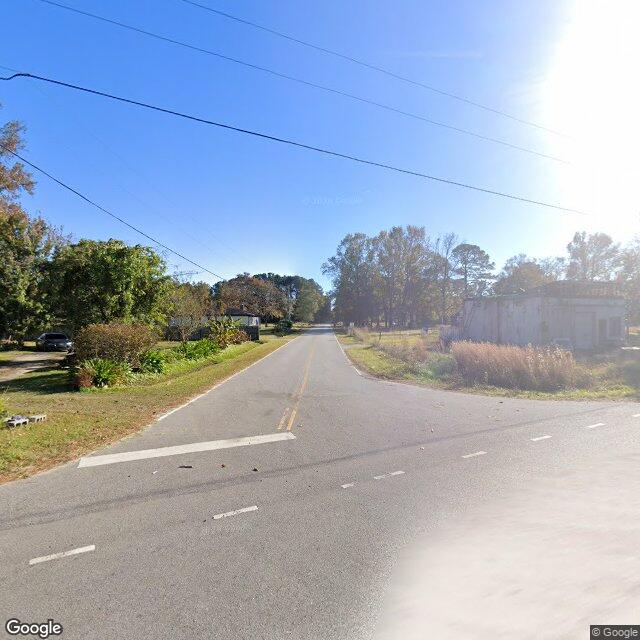
Search homes for sale in Johns Island
See every home for sale in Johns Island right now, on a map.
Selling in Johns Island
Pick the one that describes you. Each is written for Johns Island specifically.
Divorce home sale
How does selling a house during a divorce work in South Carolina?
Inherited property
How do you sell a home you inherited in South Carolina?
Senior downsizing
What should a downsizer in Charleston know before listing?
First-time buyers
What does a first-time buyer in Charleston need to budget for?
Relocating
How do you buy in Charleston while selling somewhere else?
Investment property
What does an investment property in Johns Island actually return?
Multi-family
How do you value a multi-family home in Johns Island?
New construction
Should you buy new construction or resale in Johns Island?
Condo
What should you check before buying a condo in Johns Island?
Acreage and rural
What changes when you buy an acreage near Charleston?
Move-up sellers
How do you sell and buy at the same time in Charleston?
Fixer-upper
Is a fixer-upper in Johns Island worth it?
Tired landlords
How do you sell a rental with tenants in South Carolina?
Cash buyers
Do cash offers actually win in Johns Island?
What Johns Island homes are doing
The Charleston Trident Association of REALTORS® publishes its figures for Charleston as a whole rather than street by street, so the honest answer for Johns Island comes from the sold comparables nearest the home plus what a walk-through of the specific home changes. Brian prices from sold comparables on the block, not from a neighborhood average.
What is Johns Island actually like to sell in?
Lot sizes vary more here than almost anywhere else Brian Beatty covers, from multi-acre agricultural parcels with no subdivision at all to standard single-family lots inside newer planned neighborhoods built over the last decade. Maybank Highway and River Road are the island's main corridors, connecting older rural sections to the newer growth closer to the connector into Charleston. Children here are zoned to Charleston County School District. Buyers split roughly between those seeking rural land and privacy and those wanting a new-build home with modern finishes and a shorter commute than the far end of the island offers. Given the mix of tidal creeks, marsh and low-lying farmland, flood zone status is worth checking on a parcel-by-parcel basis rather than assumed from a neighboring lot. Buyers new to the island are often surprised how far it stretches, and Brian Beatty routinely walks them through which section fits their commute and budget.
Johns Island questions people ask
What kinds of property are on Johns Island?
More variety than almost anywhere else Brian covers: multi-acre farm parcels with no subdivision at all, plus standard lots in planned neighborhoods built over the last decade, and golf communities near Kiawah and Seabrook.
Which part of Johns Island is best for commuting to Charleston?
The newer growth closer to the connector into Charleston gives a shorter commute than the far end of the island. Maybank Highway and River Road are the main corridors, and the island is bigger than most newcomers expect.
Should I buy land or new construction on Johns Island?
Buyers split between rural land and privacy on one side and a new-build home with modern finishes and a shorter commute on the other. Brian helps you weigh which section fits your budget and daily drive.
Can I assume a Johns Island lot is out of the flood zone if the neighbor's is?
No. With tidal creeks, marsh and low-lying farmland across the island, flood zone status should be checked parcel by parcel rather than assumed from a neighboring lot.